Big-Box Retail
Walmart / Costco / Carrefour
Volume planograms with energy labels, carton tests, EDI-ready item data and container-load replenishment.
See casePanasonic supports channel buyers who need appliance lines that can survive retail compliance, marketplace operations, hospitality usage, rebate documentation and distributor replenishment. The same product can require different packaging, warranty text, manuals, barcode rules, spare parts and certification evidence depending on whether it goes to a big-box shelf, a hotel room, a DTC storefront or a regional importer portfolio. This page maps the most common B2B routes and the technical questions that should be settled before production begins.
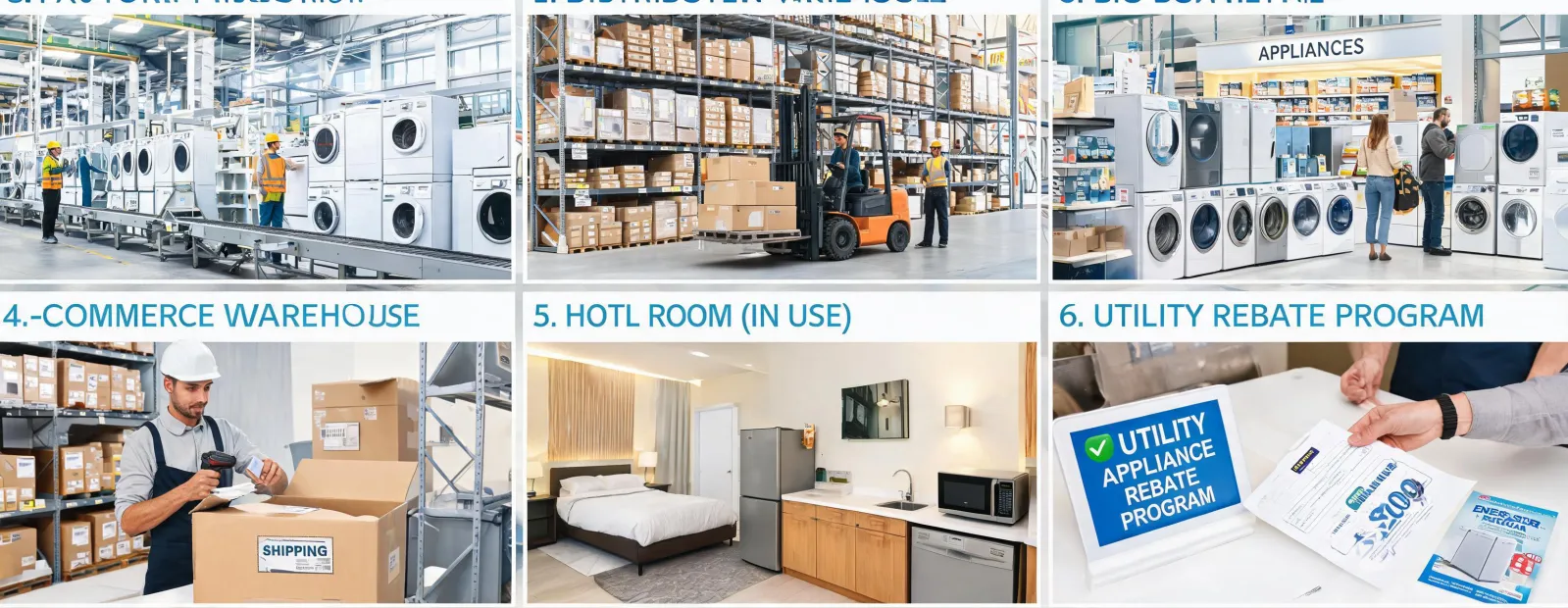
From big-box planograms to marketplace-first appliance launches, Panasonic programs support the channels where appliance buyers actually source volume.
Volume planograms with energy labels, carton tests, EDI-ready item data and container-load replenishment.
See caseMid-premium assortments with material finishes, shelf-ready packaging and seasonal SKU refresh cycles.
See caseFBA carton marks, A+ content image planning, marketplace warranty text and fast reorder support.
See caseCompact microwaves, kettles, irons and personal care appliances built for high-turnover usage.
See caseDocumentation support for efficiency files, product labels and regional rebate qualification packs.
See caseMixed-SKU container supply, territory protection options and multilingual compliance documentation.
See caseColor, logo, package and accessory customization for digital brands moving from first SKU to full range.
See caseMapping technology defines mid-to-high-tier robot vacuum programs. We document both camps so a buyer can match navigation to a target price band rather than accept one answer.
Delivers centimeter-grade mapping that works in total darkness, with faster room-coverage convergence and more reliable performance in cluttered floor plans. It is preferred for premium tiers, but it adds roughly $45 of BOM cost versus camera approaches and requires a spinning turret that increases chassis height.
Lower BOM cost (around $15) and a thinner chassis with no spinning turret, plus object recognition for cable and pet-waste avoidance. It is sufficient for entry-to-mid tiers, but the trade-off is weaker mapping in dark rooms and slower convergence in complex layouts. The right path depends on the channel price band and target feature set.
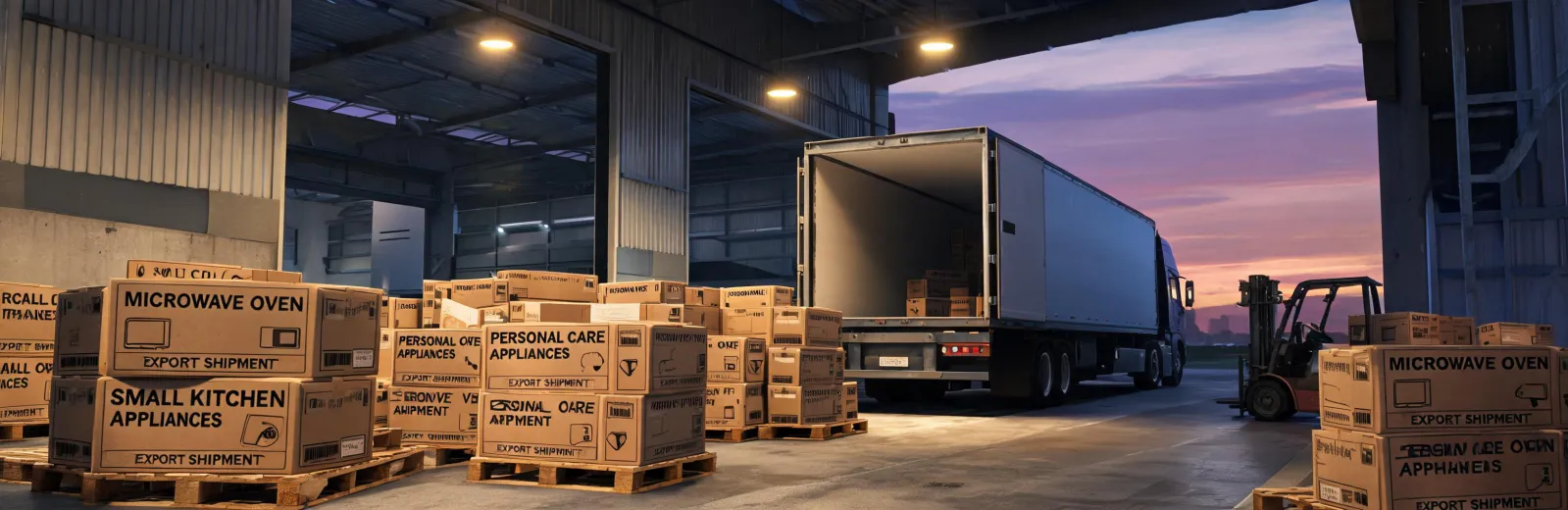
Channel fit changes packaging, compliance and after-sales planning. Share the route to market so we can shape the product file correctly.